

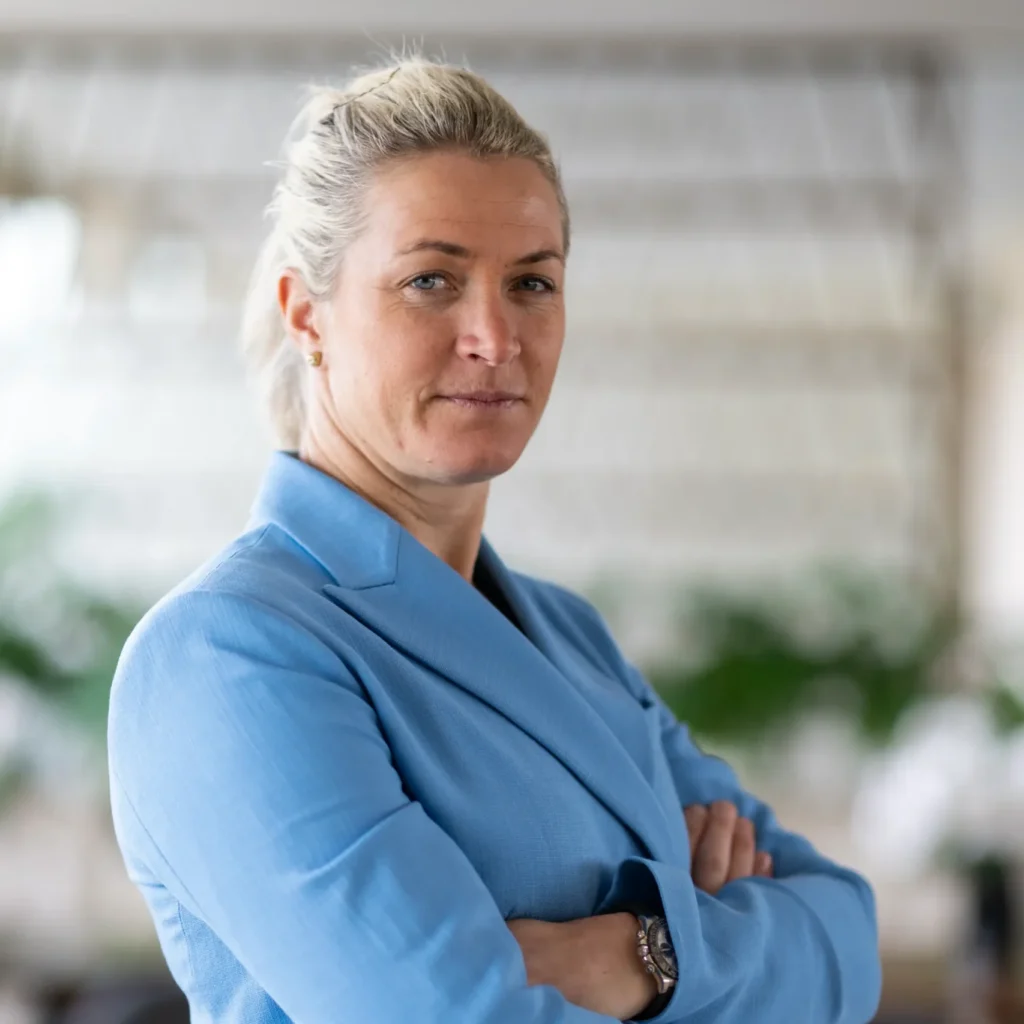
For nearly 20 years, the north star that shaped the trajectory of my every day was golf.
Where I lived, where I travelled, what I ate, who I kept in my inner circle – at the end of the day, all of it was in service of performance. The game didn’t just shape my schedule; it shaped my identity.
To be a professional athlete is to live a life very few people will ever truly understand. It’s a rollercoaster of extreme highs and lows. It’s sacrifice, discipline, and an obsession with marginal gains. It’s also one of the greatest privileges in the world: the feeling that comes when years of work meet the exact moment you set out to create.
But when one thing has defined you for so long, what happens when it ends?
Who are you when you are no longer waking up at 4:30am for an early tee time? When the airports, the hotel rooms, the practice rounds, and the endless pursuit of better are no longer your every day?
That question is one so many athletes eventually face: who am I after sport?
For me, the answer arrived in the most perfect way possible.
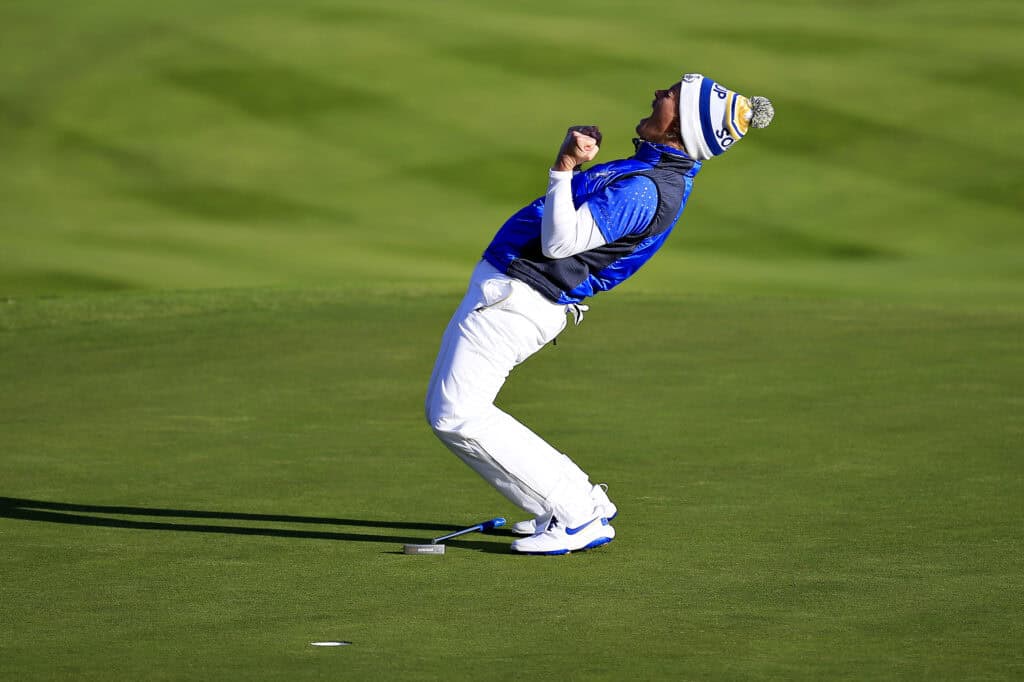
When I retired in 2019, it happened in a moment no one – not even I – could have scripted better. I had just holed the winning putt for Europe at the Solheim Cup, and as the celebrations unfolded, my husband and our son Herman were standing there on the edge of the green. In that instant, everything clicked into place. I remember thinking, nothing will ever beat this. It felt like the perfect closure to my professional career.
Golf had given me everything: purpose, challenge, resilience, and memories that will stay with me forever.
But in that moment, I knew exactly what mattered most next: my family.
Stepping away wasn’t difficult because I felt at peace with that chapter being complete. I wanted to be present. I wanted to watch my son grow up. I wanted to invest my energy into the people who had supported me through every version of myself.
And when you leave one world behind with certainty, it creates the space to discover what you can build next.
What I didn’t fully realise at the time was how much of my career would prepare me for the next challenge.
Every mistake I made, every pressure moment I faced, every lesson I learned about people, performance, and trust all became invaluable when I stepped into leadership as Solheim Cup captain.
Bringing together a group of extraordinary women – athletes used to competing against each other week after week – and asking them to become a family united by European pride was one of the greatest honours of my life.
Leadership in that environment taught me something profound: talent alone is never enough. People need belief, support, trust, and the confidence to become more than what they thought was possible.
That stayed with me.
After captaincy, I naturally found myself asking what came next again.
What became clear was that my next challenge still lived in the same world, but from an entirely different vantage point.
I knew golf like the back of my hand. I understood the ecosystem, the demands, the blind spots, and most importantly, the support structures that were still missing for women in sport.
Throughout my own career, I often asked myself how I could make an even bigger impact beyond my own results. That question ultimately became the foundation for VOXA.
VOXA was built from a belief that women athletes deserve more than management. They deserve advocacy, vision, and a team that sees them as the whole person, not just the performer.
The name itself comes from the Latin word for “voice,” and that is exactly what we are here to protect and amplify: each athlete’s unique story, ambition, and long-term legacy.
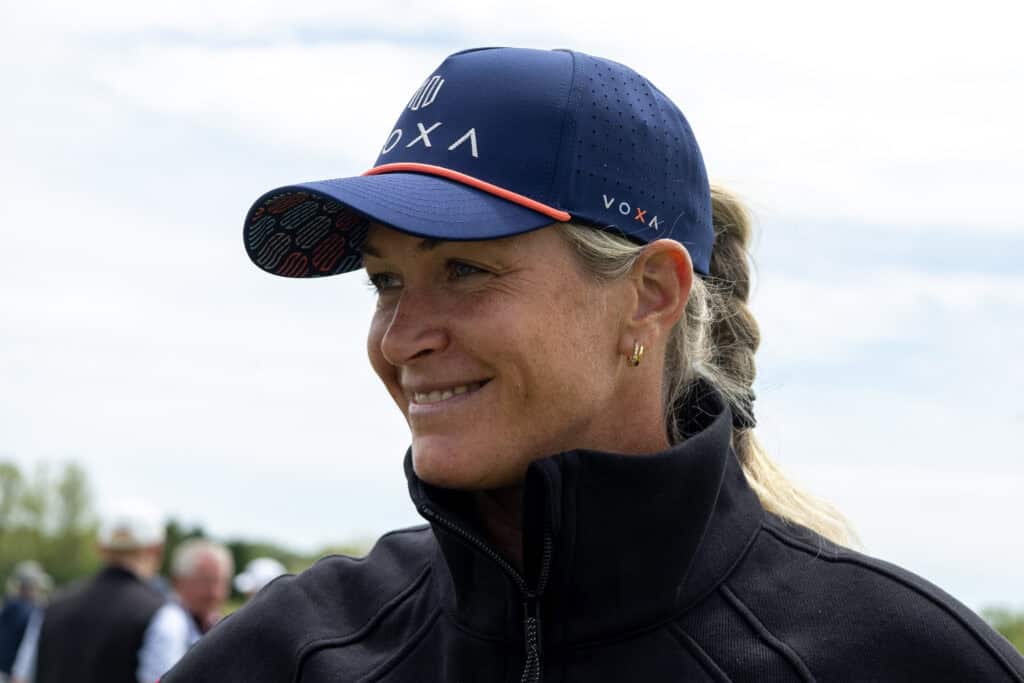
This next chapter has challenged me in entirely new ways.
It asks different questions of me than sport ever did. It demands leadership, empathy, strategy, and the ability to see around corners for the athletes we represent.
But in many ways, it still comes back to the same core purpose that drove me as a player: helping others perform at their highest level.
That’s what I’ve learned about life after sport.
Your next challenge does not need to replace what came before it.
It simply needs to honour everything that chapter taught you.
For athletes, identity can feel so tightly wound around performance that transition becomes intimidating. But the truth is, the qualities that made you successful in sport – resilience, discipline, courage, adaptability – are exactly the qualities that prepare you for what comes after.
The scorecard changes but the mission doesn’t. Sometimes your greatest work begins when the first chapter closes.
And for me, that next challenge has been building something bigger than myself – a platform that empowers the next generation of women in sport to find not just success, but their voice.
That’s the real legacy.